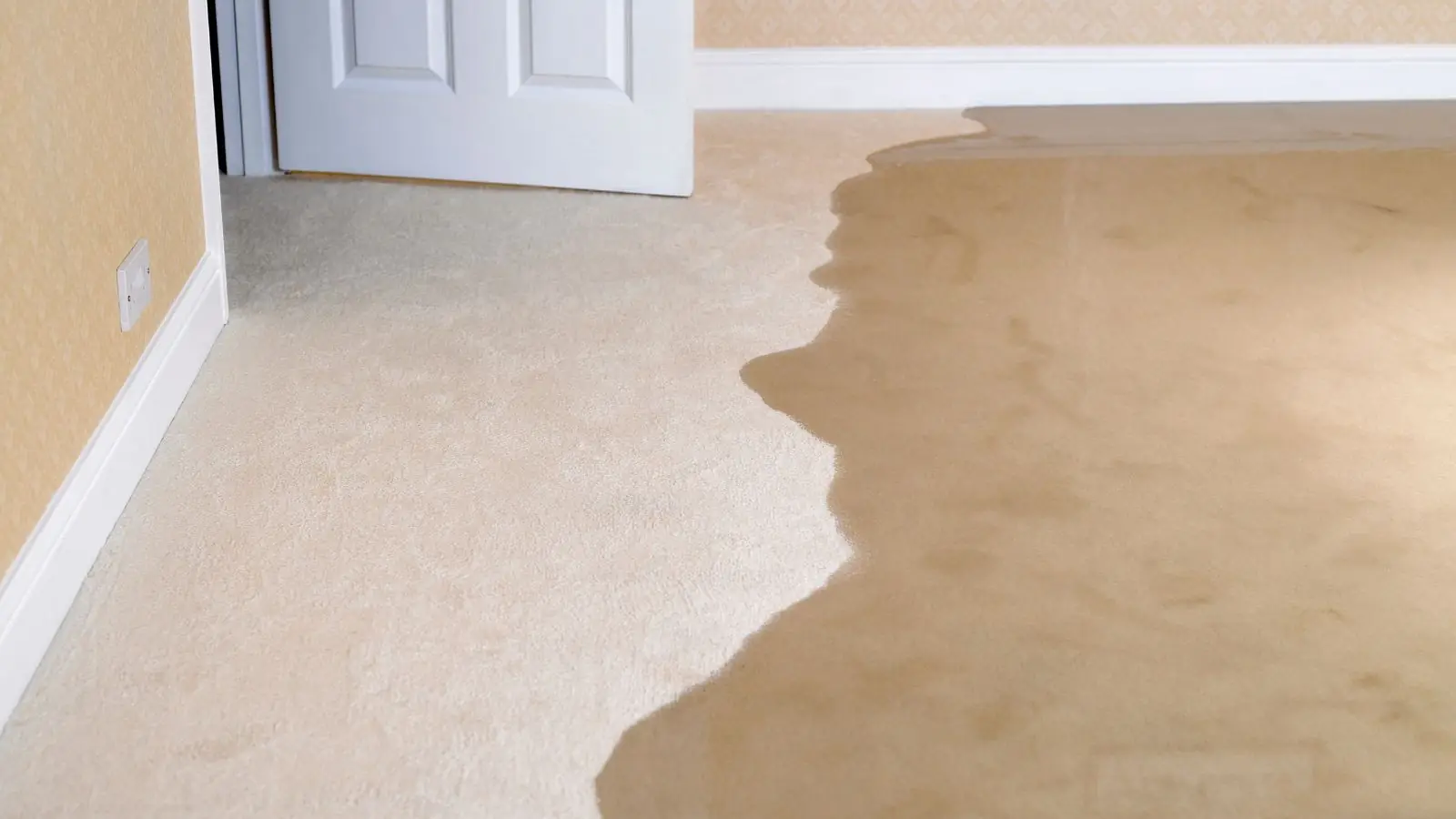
Carpet water damage restoration in Flower Mound, TX starts with finding out how wet the carpet and the pad underneath really are. Dispatch is 24/7. If carpet is soaked, stop the water, take photos, and call so a crew can extract the water and measure before you pull anything up.
Carpet, Pad and Subfloor Are Three Layers
Carpet is only the top layer. Under it sits a cushion, usually foam, then the subfloor, and the carpet edge is held by tack strip along the walls. Water that soaks the surface drops through the carpet weave into the pad, which acts like a sponge.
Water also wicks. Carpet and drywall pull moisture sideways and upward, so a wet patch near a wall can darken the bottom inch or two of drywall and the baseboard. A good inspection checks the wall base, not just the floor.
Dry in Place or Replace
Clean water caught quickly can often be handled by extracting, lifting the carpet, and drying the pad and subfloor with air movers and dehumidifiers. Sometimes the carpet is lifted from tack strip, floated on a raised support, dried and then re-stretched.
| Situation | Usual decision | Why |
|---|---|---|
| Clean supply water, caught within a short time | Dry carpet in place, replace or dry pad | Carpet fibers tolerate clean water, pad holds it |
| Same water, left for days | Carpet and pad often replaced | Mold risk and odor rise, readings stay high |
| Gray water from a washer or dishwasher drain | Replace the pad, test the carpet | Soil in the water stays in the fibers |
| Sewage or backed up drain water | Remove carpet and pad | Contaminated water cannot be washed out of porous material |
| Wet carpet on a slab or over a wet wall base | Lift and dry from underneath | The source may still be feeding the carpet |
Carpet drying decisions are described in ANSI/IICRC S500, so ask a restorer whether it works from that reference. It sorts water into clean, gray and contaminated, and that sorting drives most carpet decisions.
The pad usually goes. Foam pad is inexpensive compared with carpet, it holds water against the subfloor, and it dries slowly. Many jobs save the carpet and replace the pad, but the call depends on the water category and readings.
Carpet squishing underfoot? Call dispatch and describe where it is wet.
☎ (817) 623-9267Safety Before You Touch Wet Carpet
- If water is near outlets, a panel or an appliance, or you smell gas, leave and call 911 or the utility first.
- Stop the source: shut the valve or fixture supply feeding the leak.
- Keep power off to wet outlets. Turn breakers off only from a dry panel and a dry floor.
- Do not use a household vacuum on soaked carpet.
- Lift furniture legs off the carpet, and set wood or foil under legs that must stay.
If the water came from a toilet, a floor drain or a backed up line, do not walk through it. See sewage backup cleanup for that case. Water that came from outside the home is covered under flood damage restoration.
How We Dry and Restore Carpet
Extract
An extractor pulls water out of the carpet and pad. This removes far more than towels or a shop vacuum.
Check
A moisture meter checks the carpet, pad, subfloor and baseboard. A thermal camera shows where the damp patch ends.
Lift
The carpet is lifted from tack strip along the wet walls. Wet pad is cut out and removed.
Dry
Air movers blow across the subfloor and under the lifted carpet. Dehumidifiers pull the moisture out of the air.
Reset
Once readings are normal, new pad goes down and the carpet is power-stretched back onto tack strip.
Drying usually takes several days, and the crew rechecks readings on each visit. Our structural drying page explains the equipment in more detail.
Stairs, Bedrooms and Living Areas
Bedrooms and living rooms are usually open floors with a single carpet piece, which makes lifting and re-stretching straightforward. Stairs are harder because carpet wraps each tread and riser, and water can follow the stair stringers into the wall below.
If water came through a ceiling from an upper room, wet carpet in the room below may be the second sign of a bigger issue. The path of the water matters more than the room, so describe where it started. A roof leak or a bath above may be the source.
Why Time Matters
The Texas Department of Insurance says mold can start growing within a day after a leak, and it advises pulling up wet carpets and rugs and moving wet items to a dry area. That is why a call within hours matters more than finishing a cleanup yourself.
Texas licensing guidance from TDLR also says to keep indoor humidity at or below 50 percent, using air conditioning or a dehumidifier. After carpet dries, a low-humidity room helps keep it from smelling damp. If a musty smell continues, see mold remediation.
What Changes the Cost
Price depends on the scope, so a person has to see the carpet. These factors move it most:
- Water category, which decides whether the carpet can stay.
- Square footage of wet carpet and pad.
- How many days the carpet sat wet.
- Whether baseboard, drywall or subfloor also got wet.
- Carpet type and whether it can be lifted and re-stretched.
- Equipment count and days of drying.
Dispatch explains the scope and price before work starts. For carpet that must be replaced, ask whether new carpet is part of the quote or handled separately.
Insurance and Carpet
The Texas Department of Insurance says most homeowner and renter policies cover sudden and accidental water damage, such as a broken washer hose. Gradual leaks and seepage are generally excluded. A carpet that stayed damp for weeks may be treated differently from one soaked yesterday, so check your policy.
TDI also advises photographing the damage before repairs and keeping damaged items until the adjuster sees them. Photograph the wet carpet, cut a small sample if asked, and keep receipts for temporary repairs. We provide photos and moisture readings for claims.
Mistakes to Avoid
- Letting the pad stay wet because the top of the carpet feels dry.
- Putting a fan on the carpet without checking the pad and subfloor.
- Running a household vacuum on wet carpet.
- Covering a damp carpet with a rug.
We serve Flower Mound and nearby towns, including Lewisville and Argyle. Wherever the carpet is, the first question is the same: where did the water come from, and how long has it been there?
Frequently Asked Questions
Dispatch is 24/7, including nights, weekends and holidays. Same-day response is available when crews are free. Call, describe the room and where the water came from, and the dispatcher will explain next steps.
Often, if the water was clean and the carpet was dried quickly. The pad is usually replaced. Sewage or long-standing water changes the answer, and readings decide it.
Foam pad holds water against the subfloor and dries slowly. It costs less to replace than to risk lingering dampness and odor under good carpet.
Moving furniture and lifting a corner is fine if the area is safe. Leave stretching and pad removal to the crew, because the carpet has to be re-stretched on tack strip.
Usually several days with air movers and dehumidifiers, depending on how wet the pad, subfloor and wall base are. The crew rechecks readings until they are normal.