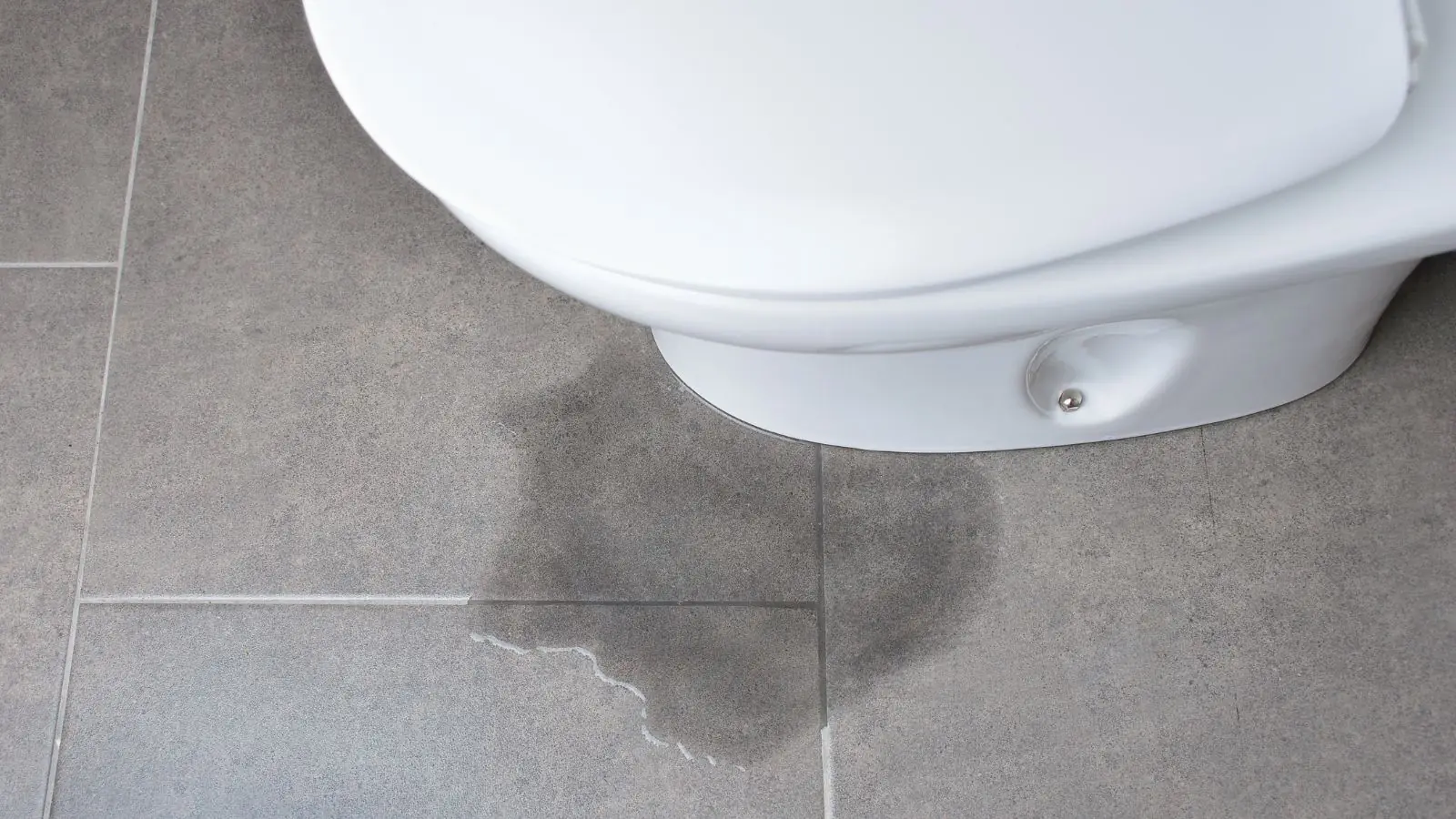
Sewage backup cleanup in Flower Mound, TX means containing contaminated water that has come up through a drain, tub, floor drain or toilet, removing what it soaked, and disinfecting what stays. Our 24/7 dispatch team sends a crew with protective gear and extraction equipment. The one action to take now: stop using every sink, tub, toilet and washer, keep people and pets out, and call.
Why a Sewage Backup Is Not a Wet-Vac Job
In restoration vocabulary, sewage is Category 3 water, the most contaminated class. The published reference is ANSI/IICRC S500, and you can ask any company whether its crews work to it. The practical meaning is simple: anything porous that the water reached is treated as contaminated all the way through, not just on the surface.
A household wet-vac pulls liquid into a canister you then have to empty, rinse and carry through clean rooms. It also blows fine droplets out of its exhaust. That spreads the problem to places the sewage never reached. A crew uses sealed extraction, plastic containment and negative air so the clean side of the house stays clean.
What You See and What It Means
| What you see | What it usually points to | What to do |
|---|---|---|
| Gurgling toilet, then water in the tub | A blockage lower in the line is pushing water to the lowest opening | Stop all water use and call a plumber and us |
| Dark water rising at a floor drain | The line downstream of your house is full | Leave the drain alone and ask the town or your sewer provider |
| Toilet overflows when another fixture drains | A partial blockage shared by several fixtures | Shut the toilet supply valve and stop using the others |
| Wet carpet edge with a sour smell | Water has wicked into the pad and tack strip | Do not walk on it, keep the room closed off |
| Brown staining low on drywall | Water reached the wall base and is climbing the paper | Mark the line with tape and photograph it |
Sewage on the floor right now? Call the 24/7 line and a dispatcher will start your response.
☎ (817) 623-9267Safety First: The First Hour
- If water is touching outlets, a panel or a power strip, or you smell gas, leave and call 911 or the utility before anything else.
- Stop using water everywhere in the house, including the washer and dishwasher, so you add nothing to the backup.
- Keep children, pets and anyone unwell out of the affected rooms.
- Do not wade in it barefoot or in street shoes you will wear again. Wear rubber boots and gloves if you must cross it.
- Photograph the water line and the affected rooms before anything is moved.
- Call a plumber or the sewer provider for the blockage and call us for the cleanup. These are two different jobs.
Do not mix bleach with other cleaners, and do not pour chemicals down a backed-up drain. Leave the disinfecting to a crew that selects the product for each surface and keeps the room ventilated while it works.
How Our Crew Works Through a Sewage Backup
The crew arrives in disposable coveralls, rubber boots, gloves and respirators, then seals the doorway to the clean part of the house with plastic sheeting. A portable air scrubber with a HEPA filter runs inside the work zone so air flows toward the affected room, not out of it.
Standing liquid goes out first with a truck-mounted or portable pump and a sealed extraction unit. Next the crew removes the porous materials, bags them in heavy plastic and carries them out through one route. Floors and framing that stay are scrubbed with detergent, then treated with an antimicrobial product matched to the surface.
Only after cleaning does the drying start, with air movers and dehumidifiers, and the crew logs moisture readings each visit. The structural drying page explains that phase, and water damage cleanup covers the broader debris and odor work that follows.
What Gets Removed and What Can Stay
- Carpet and cushion: removed and discarded, because the pad cannot be rinsed clean.
- Drywall and baseboard: cut out above the wet line, usually higher than the stain you can see.
- Insulation in a wet wall cavity: removed and replaced.
- Tile, sealed concrete and vinyl plank: cleaned and disinfected in place when the seams and subfloor stayed dry.
- Upholstered furniture and mattresses that sat in the water: usually discarded.
- Solid wood furniture and metal items: often cleaned and kept.
The line cut in drywall is chosen from moisture meter readings, not guesses. A thermal camera shows where water climbed behind the paint, and the crew cuts a hand-width or more past the last wet reading. That is why the hole can look larger than the visible stain.
Not sure what is salvageable? Call and describe the rooms, and a dispatcher will walk you through it.
☎ (817) 623-9267Who Fixes the Blockage
Cleanup crews do not clear sewer lines. A plumber with a drain camera finds the stoppage, and if the problem sits in the main line past your property, ask the Town of Flower Mound or your sewer provider who handles it. If your property uses a septic system instead of a town sewer, that is a septic service call, not a utility call.
Sort out the blockage early, because a cleaned room will be soaked again if the line backs up a second time. We often work in the same hours as the plumber, with the crew sealing the room while the line is cleared. If outside rain or creek water came in rather than drain water, that is a different loss, covered under flood damage restoration.
Flower Mound's southern boundary follows Grapevine Lake and Marshall Creek. If you live near that edge, check the FEMA flood map for your address, since whether water came up a drain or in from outside changes both the cleanup and the claim.
What Changes the Cost of Sewage Cleanup
- How many rooms and how much floor area the water reached.
- How much carpet, pad, drywall and insulation must be removed and hauled.
- Whether the home has a second story with water that dripped through a ceiling below.
- Containment size, from one bathroom to a whole level.
- Days of drying equipment after the cleaning is done.
- Whether the rebuild is included in the same scope or handled later.
Dispatch explains the scope and price before work starts. The rebuild of drywall, trim and flooring is a separate stage under water damage repair.
Insurance Fit for Sewage and Drain Backup
The Texas Department of Insurance says most home and renter policies cover sudden and accidental water damage and generally exclude gradual leaks and floods. Backup is the tricky one. Many standard home policies exclude sewer or drain backup unless a backup endorsement was added, so check your policy and ask your agent whether one is on it.
The Texas Department of Insurance also advises photographing or filming damage before repairs, keeping damaged items until the adjuster has seen them, and keeping receipts. With sewage you cannot keep soaked carpet in the living room, so photograph and measure it, then ask your adjuster what else they need before it is hauled out. Our crew records photos and moisture readings for your claim.
Mistakes to Avoid
- Running the shower or washer to see if the drain has cleared.
- Using a household vacuum or fans on wet sewage, which spreads it through the air and the house.
- Waiting a day to see if it goes away. The Texas Department of Insurance notes mold can start within a day after a leak.
- Pulling out only the visible carpet and leaving the pad, tack strip and wall base behind.
- Treating the cleanup and the line repair as one job and calling only one of the two.
We serve Flower Mound and nearby towns, including Lewisville and Grapevine. Start with a call so a dispatcher can ask where the water came from and how far it spread.
Frequently Asked Questions
Yes. Dispatch is 24/7, including nights, weekends and holidays, and same-day response is available when crews are free. Call, tell the dispatcher which fixtures backed up and how far the water has spread, and you will get instructions to follow until the crew is there.
Even a small one leaves contamination in grout, baseboard and the edge of carpet that a mop does not reach. If it was a one-time overflow on a sealed tile floor, wear gloves and boots and ask a dispatcher what is safe. Anything that touched carpet, drywall or a wall base should be handled by a crew.
Call both. The plumber or sewer provider finds and clears the blockage, while we contain and clean what the water reached. Stop all water use first so the backup does not get worse while you wait for either one.
It depends on your policy. Many standard home policies exclude sewer or drain backup unless an endorsement is added, so check your policy and ask your agent. Our crew documents photos and readings either way.
Extraction and removal are usually the first visit, then drying runs for days until readings are normal. Rebuilding removed drywall and flooring comes after that. A dispatcher can describe the stages once you explain the rooms involved.