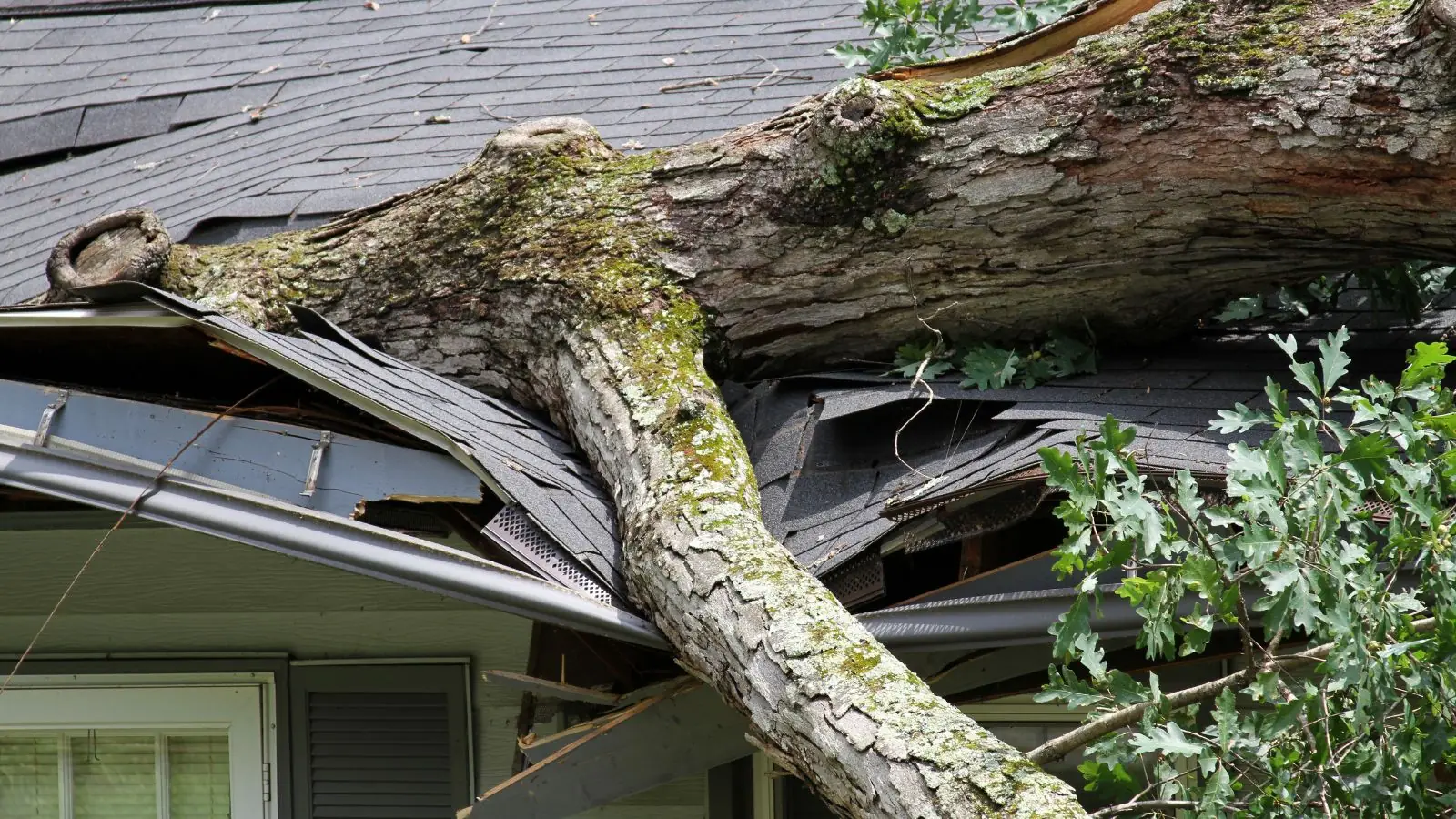
Storm water damage cleanup in Flower Mound, TX is the work after a storm has pushed rain, hail or runoff into your home. It covers wind-driven rain at windows, openings left by broken glass or limbs, and water that came in at ground level. Our 24/7 dispatch line is open now. The one action to take: make it safe, photograph everything, then call and tell us what is wet.
A storm leaves several problems at once. Some are urgent, some can wait until morning, and some belong to your insurer first. Sorting them in the right order is most of the job.
Storm Triage: What to Handle in What Order
| Priority | Problem | Who handles it |
|---|---|---|
| 1 | Downed lines, gas smell, sparking, water near the panel | Leave and call 911 or the utility |
| 2 | Broken windows, holes and open doors letting rain in | You, with plastic or boards, then a glazier |
| 3 | Standing water and soaked floors | Our crew, extraction first |
| 4 | Wet walls, insulation and subfloor | Our crew, metered and dried |
| 5 | Roof damage and missing shingles | A roofer, after the claim is opened |
| 6 | Fallen limbs and yard debris | Tree service, once the structure is secure |
Resist the urge to start with the visible mess. A limb on the lawn is dramatic but does not damage anything further tonight. An open window with rain blowing through it does. Cover openings first, then deal with water, then everything else.
Storm Safety: Before You Touch Anything
First hour after the storm
If power is out, treat every wet outlet and cord as live once it returns.
- Do not wade through water that reaches outlets, appliances or the panel. Leave and call 911 or the utility.
- If you smell gas, leave the house, then call the gas utility or 911 from outside.
- Stay away from downed lines and anything touching them, including wet fences and puddles near them.
- Wear boots and gloves around broken glass and wet debris.
- Move people and pets out of rooms with hanging ceilings or bulging drywall.
The Texas Department of Insurance says to prevent further damage by removing standing water and covering broken windows and holes against rain. It also says to keep every receipt, because the policy may pay for temporary repairs. Buy plastic sheeting, boards and tape, and save the receipt.
Wind-Driven Rain, Hail and Broken Openings
Wind pushes rain sideways, so water reaches places a straight-down storm never touches. Window sills, weep holes, garage door seals and door thresholds can all admit water, and it often runs behind baseboards or under flooring before you notice. A damp baseboard after a storm is worth a moisture meter reading even if the carpet feels dry.
Hail and wind can open the roof or punch through a skylight, and the leak then follows the path described on our roof leak water damage page. For this page the question is simpler: what got wet, and has it been metered. Cover the opening, photograph it from outside if it is safe, and keep any broken pieces as evidence.
Storm water inside the house? Call the 24/7 line and tell dispatch which rooms are wet.
☎ (817) 623-9267Water That Came In With the Storm
The National Weather Service Fort Worth 1991 to 2020 normal for annual precipitation at DFW is 37.01 inches. A single storm can deliver a meaningful share of that in hours, which is more than gutters, grading and door seals are built to handle on a bad day. That is a reason to look at where water entered, not only where it ended up.
Flower Mound's southern boundary follows Grapevine Lake and Marshall Creek. If your property sits near either, check the FEMA flood map for your address. When water rises from outside and enters at ground level, that is a flood event, and flood damage restoration explains how that differs, including why home policies treat flood separately.
Rain that entered through a garage or an attached porch can also carry mud and debris. Treat it as contaminated until a technician says otherwise, and keep children and pets away from it.
How the Cleanup Works
Secure
We confirm openings are covered and the structure is safe to enter before equipment goes in.
Extract
Truck-mounted or portable pumps and wet vacuums remove standing water from floors and carpet.
Meter
Moisture meters and a thermal camera map wet walls, baseboards, insulation and subfloor.
Dry
Air movers and dehumidifiers run until readings match an unaffected reference.
The standard to ask about is ANSI/IICRC S500, which covers how storm and flood water is classified and dried. After extraction, carpet padding soaked with storm water is usually removed, while carpet itself is judged by how dirty the water was and how fast it was lifted. For rebuilding, see water damage repair.
Working Your Storm Claim
The Texas Department of Insurance says to file a claim as soon as you can if hail or strong winds damaged your home. Photograph and record video of damage inside and outside, list it, and keep damaged items until the insurer says you can discard them. Our crew adds moisture readings and dated photos you can hand to the adjuster.
- Be present when the adjuster visits so every area is seen, and keep a log of who you spoke with.
- If the storm makes the home unsafe, most policies cover some living expenses, so keep those receipts.
- Get more than one repair bid, and check references and phone numbers.
- Do not pay in full up front, and do not sign a contract with blank spaces.
- State law makes waiving a homeowners deductible illegal, so be wary of any contractor who offers to.
Wind and hail coverage on a home policy should cover hail damage, according to TDI. Flood is different and needs its own policy, so check yours before assuming outside water is covered.
Building your claim file? Ask dispatch what readings and photos the crew records.
☎ (817) 623-9267What Changes the Cost of Storm Cleanup
- How many rooms took water and how far it spread.
- Whether the water was rain only or carried mud and debris.
- How long the water sat before extraction began.
- Flooring types, since carpet pad, laminate and hardwood each dry or fail differently.
- Whether openings must be covered before equipment can run.
- Days of drying equipment needed.
Scope and price are explained before work starts. We serve Flower Mound ZIP codes 75022 and 75028 and nearby towns, including Grapevine across the lake and Lewisville to the east.
Mistakes That Cost People After a Storm
- Handing a contractor a signed blank contract in the rush.
- Throwing away damaged items before the adjuster has seen them.
- Cleaning up first and photographing later.
- Running a shop vacuum in water near outlets.
- Waiting for the weekend because the water looks like it stopped.
Mold can start growing within a day after a leak, according to TDI, so even a storm that feels minor deserves a meter reading within the first day. If you spot growth, see mold remediation before disturbing it.
Frequently Asked Questions
Yes. Dispatch is 24/7, including nights, weekends and holidays, and same-day response is available when crews are free. Call and describe the storm damage and which rooms are wet.
Cover openings and remove standing water to prevent more damage, but photograph first and keep damaged items until the insurer says you can discard them. Save every receipt for temporary repairs.
Generally no. Rain that enters through a broken opening is storm damage. Water that rises from outside and enters at ground level is flood, which home policies treat separately. Check your policy and ask your agent.
Only if no water is near outlets, cords or the panel, and the water is clearly rain only. If it carries mud or you cannot tell, wait for a crew. A vacuum is also not enough for wet walls and subfloor.
Scopes vary, and TDI advises comparing estimates and checking references. Never pay in full up front and avoid contracts with blank spaces. We explain scope and price before work starts.